
Istanbul Travel Guide (2026): Transit, Highlights & Local Tips
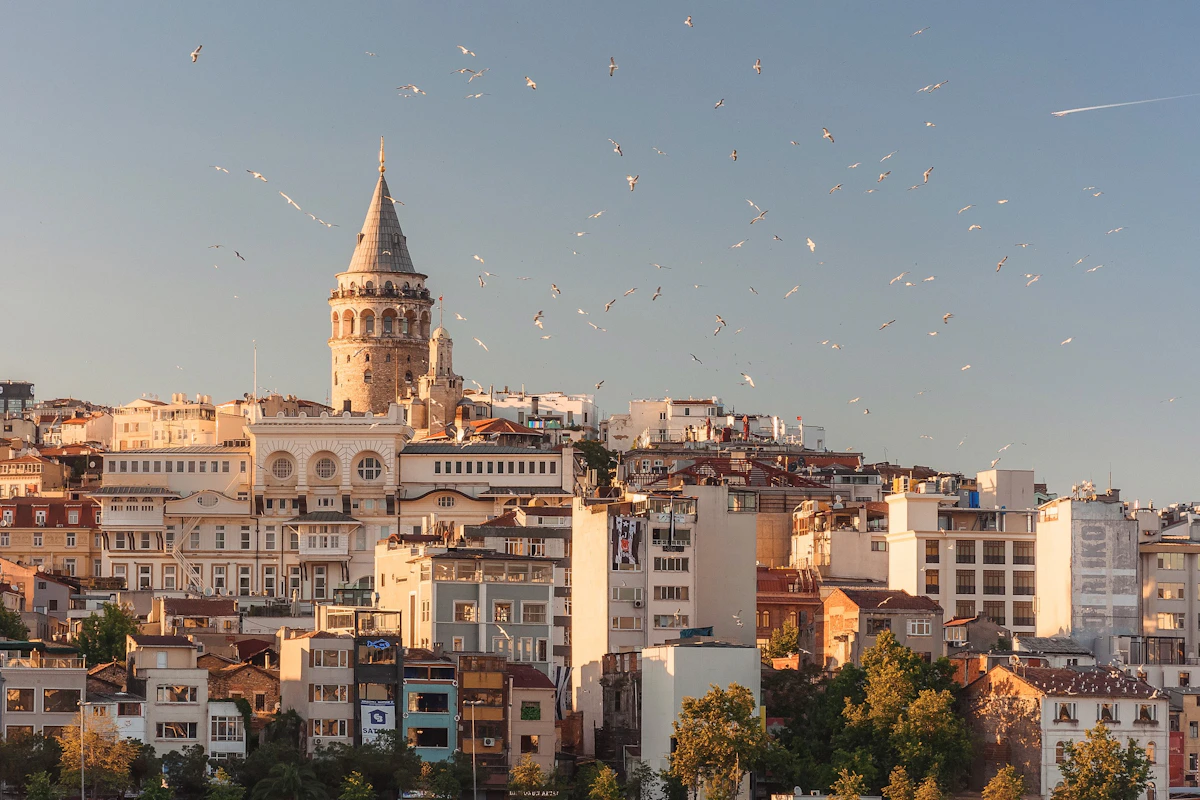
Istanbul spans Europe and Asia across the Bosphorus Strait. Having served as the capital of the Roman, Byzantine, and Ottoman empires, the city holds thousands of years of layered architecture, historic open-air markets, and scenic waterfront neighborhoods.
Exploring the city is straightforward once you understand how the geography and transit networks connect. Here is a clear, local guide to planning your days in Istanbul smoothly.
Understanding the City: Geography and Neighborhoods
Istanbul is divided into three primary zones that every traveler should know:
- Sultanahmet (The Old City):* Located on the historical peninsula south of the Golden Horn. This is where you find Hagia Sophia, the Blue Mosque, Topkapi Palace, the Basilica Cistern, and the Grand Bazaar. It is quiet in the evenings and best explored entirely on foot.
- Beyoglu & Karakoy (The Modern European Side):* Located north of the Golden Horn across the Galata Bridge. Centered around Galata Tower, Istiklal Street, and Karakoy waterfront, this district is full of boutique cafes, contemporary art galleries, and rooftop restaurants.
- Kadikoy & Moda (The Asian Side):* A scenic 20-minute ferry ride across the Bosphorus. It offers a relaxed residential feel with pedestrian market streets, vintage bookstores, and lively food alleys where locals spend their weekends.
Airport Transit: Getting to Sultanahmet and Taksim
Istanbul has two international airports: *Istanbul Airport (IST) on the European side and Sabiha Gokcen Airport (SAW)* on the Asian side. Both are approximately 40 to 50 kilometers from central tourist districts.
#Recommended Ways to Reach the Center:
- Private Chauffeur Transfer (Best for Comfort):* Pre-booked private cars meet you directly outside the baggage hall. The drive takes 45 to 60 minutes and costs roughly €40 to €60 per vehicle, avoiding airport taxi negotiation.
- Havaist / Havabus Express Shuttles (Best Budget Route):* Comfortable, air-conditioned coaches depart every 30 minutes from the lower transit level directly to Taksim Square or Aksaray/Yenikapi. Tickets cost around 200 to 250 TRY (€6 to €8) per person.
- M11 Metro Line (Fastest from IST):* Connects Istanbul Airport to Gayrettepe in 30 minutes. From Gayrettepe, transfer to the M2 line to reach Taksim or Vezneciler (near Sultanahmet). Ideal during heavy highway rush hours (07:30 to 09:30 and 17:00 to 19:30).
Istanbul has an integrated transit network of metro lines, modern trams, funiculars, and public passenger ferries. To use them, pick up an *Istanbulkart* from yellow and blue automated ticket kiosks at any transit station.
- Using the T1 Tram:* The T1 street tram runs straight through Sultanahmet, connecting the Grand Bazaar, Hagia Sophia, and the Eminonu ferry docks without dealing with street traffic.
- The Public Ferry Experience: Never pay for an expensive private tourist cruise before trying the public commuter ferry. For less than €1 (paid with your Istanbulkart), board a ferry from Karakoy or Eminonu to Kadikoy. Grab a cup of freshly brewed Turkish tea (cay*) on the open-air deck and enjoy views of Topkapi Palace and the Maiden's Tower.
The Imperial Highlights: How to Visit Without Long Lines
#Hagia Sophia (Ayasofya)
Built in 537 AD as the greatest cathedral of the Byzantine Empire and later converted into an imperial mosque, Hagia Sophia features a massive floating dome and gilded mosaic icons.
- Foreign visitors enter through the south entrance to access the upper gallery, where the best mosaics and marble columns are located (entry fee is €25).
- Modest dress is required: shoulders and knees must be covered, and women must wear a headscarf.
#The Blue Mosque (Sultanahmet Camii)
Located directly opposite Hagia Sophia across a landscaped park, famous for its six minarets and 20,000 blue Iznik ceramic tiles.
- Entry is free as it is an active house of worship.
- It closes to sightseers five times daily for prayer (lasting 30 to 45 minutes). Plan your visit between 09:00 and 11:30 or between 14:00 and 16:00.
#Topkapi Palace (Topkapi Sarayi)
The imperial residence of Ottoman sultans for four centuries, set in expansive park courtyards overlooking the Bosphorus and Golden Horn.
- Allow at least 3 hours. Always select the combined ticket that includes the *Harem section*, which showcases the palace's finest tilework and private sultan chambers.
#Basilica Cistern (Yerebatan Sarnici)
A 6th-century subterranean Roman water reservoir with 336 marble pillars, subtle ambient lighting, and ancient Medusa head pillar bases.
- Queue lines at the door can exceed 45 minutes on summer afternoons. Buy an online fast-track ticket in advance to enter directly.
Common Tourist Scams and How to Avoid Them
Istanbul is a welcoming city, but standard precautions apply in tourist-heavy zones:
Avoid aggressive restaurant touts along Sultanahmet's main street and explore local dining traditions instead:
- Historic Sultanahmet Meatballs: Visit Tarihi Sultanahmet Koftecisi (operating since 1920) for grilled beef kofte served with spicy red pepper paste (piyaz*) and white bean salad.
- Traditional Tradesmen Eateries (Esnaf Lokantasi): Near the Grand Bazaar, look for lunch spots like Lokanta 1741* or local buffet counters serving home-cooked stews, roasted lamb, and olive oil vegetable dishes.
- Authentic Pistachio Baklava: Head to Karakoy Gulluoglu* near the Galata port terminal for freshly baked, crispy pistachio baklava paired with a glass of black tea.
Frequently Asked Questions
#How many days are needed for a first visit to Istanbul?
Three to four full days allow you to explore the historic sights of Sultanahmet, take a Bosphorus ferry ride, stroll through Karakoy and Galata, and spend an afternoon on the Asian side in Kadikoy.
#Can I pay with credit cards everywhere in Istanbul?
Yes. Visa and Mastercard with contactless payment are accepted in nearly all restaurants, museums, shops, and taxis. Carry 300 to 500 TRY in cash for street food vendors, tips, and public restrooms.
#Is tap water safe to drink in Istanbul?
The municipal tap water is treated and safe for brushing teeth, but locals and travelers drink bottled or filtered spring water because of the mineral taste in old pipes. Bottled water is cheap and sold everywhere.
*Planning a private, guided trip to Istanbul? Discover our curated Hidden Treasures of Istanbul Tour with private chauffeurs and licensed local guides, or build your custom route with our Custom Tour Planner.*
Let our local experts craft your custom journey.
Complimentary, fully custom itinerary prepared within 24 to 48 hours.
More from our Travel Journal
Cappadocia Hot Air Balloon Guide (2026): Flights, Prices & Best Seasons
Everything you need to know about flying a hot air balloon in Cappadocia in 2026. Real basket prices, civil aviation weather rules, best seasons to visit, and choosing the right cave hotel.
DestinationsThe Perfect 10-Day Turkey Itinerary: Istanbul, Cappadocia, Ephesus & Pamukkale
A balanced, realistic 10-day route through Turkey. Connect the imperial monuments of Istanbul, the fairy chimneys of Cappadocia, and ancient Ephesus with smart domestic flights.